Appraisal Institute and USPAP Complete Guide for Professionals
The real estate and property valuation industry relies on strict professional standards to ensure accuracy, consistency, and ethical practices. Two of the most recognized pillars of this system are the Appraisal Institute and the Uniform Standards of Professional Appraisal Practice (USPAP). For anyone working in property valuation, these two elements are crucial in guiding how appraisals are conducted, taught, and applied in real-world scenarios.
This article dives deep into what the Appraisal Institute is, the role of USPAP, how both are connected, the benefits of using technology in this field, and real-world examples where these standards shape appraisal practice.
Understanding the Appraisal Institute
What is the Appraisal Institute?
The Appraisal Institute is a global professional association for real estate appraisers, with a mission to advance professionalism and ethics in the field of real estate valuation. It provides education, resources, and advocacy for property appraisers worldwide, though it is especially influential in the United States.
The organization is best known for setting high standards in education and offering professional designations such as MAI (Member of the Appraisal Institute) and SRA (Specialist in Residential Appraisal). These designations signal advanced training, ethical standards, and credibility in the industry.
The Role of the Appraisal Institute in Property Valuation

The Institute not only provides education and certification but also serves as a thought leader, publishing resources, research, and guidelines that impact appraisal practice globally. Its work aligns closely with USPAP standards, ensuring professionals meet ethical and technical requirements while delivering credible valuations.
What is USPAP and Why It Matters?
Definition of USPAP
The Uniform Standards of Professional Appraisal Practice (USPAP) are the generally accepted standards for professional appraisal practice in the United States. Originally created by The Appraisal Foundation, USPAP sets the rules for ethical conduct, competency, and acceptable practices across real estate, personal property, and business valuations.
Appraisers are legally required to follow USPAP when performing appraisals for federally related transactions, making it the backbone of valuation practice in the U.S.
Key Principles of USPAP
USPAP outlines specific rules covering issues like impartiality, independence, and the requirement for detailed reporting. It ensures that appraisers are not influenced by parties who may benefit from the outcome, thereby protecting public trust and maintaining market stability.
How the Appraisal Institute and USPAP Work Together
Training and Education Alignment
The Appraisal Institute designs its courses and professional development programs in line with USPAP requirements. For instance, appraisers must take USPAP updates regularly, and the Institute provides structured pathways to help them stay compliant.
By working closely with USPAP standards, the Institute ensures its members maintain credibility and are recognized for ethical, high-quality work.
Professional Accountability
Appraisal Institute members commit not only to the USPAP standards but also to additional ethical requirements set by the Institute itself. This dual accountability elevates their reputation, creating a benchmark for the industry.
Real-World Examples of Appraisal Institute and USPAP in Action
Example 1: Residential Real Estate Appraisal
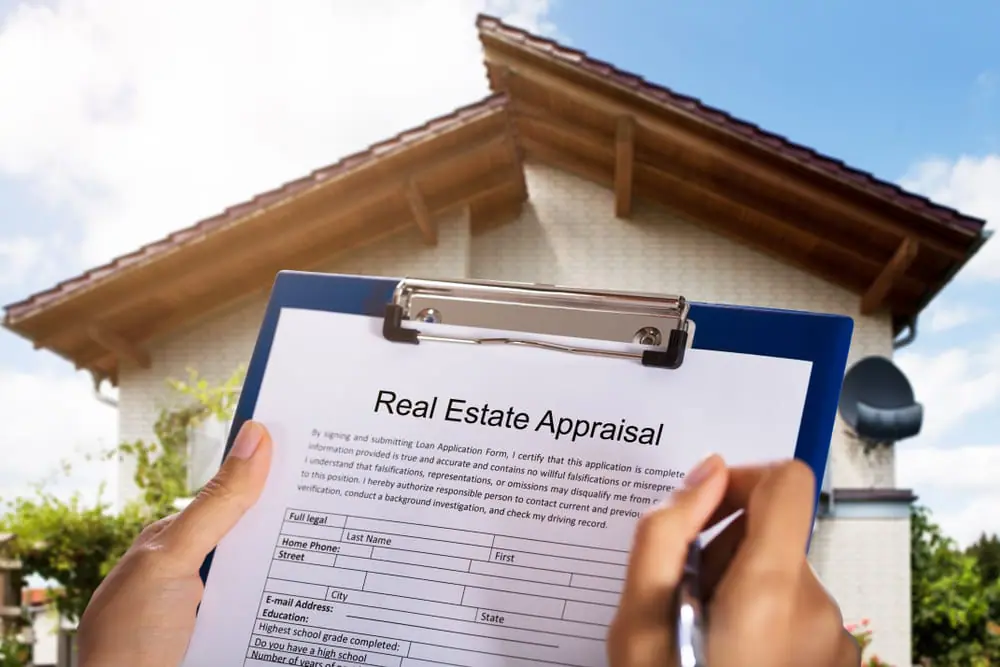
Consider a licensed appraiser working with a homeowner applying for a refinance. The appraiser must follow USPAP standards to provide an unbiased valuation. If the appraiser is also a member of the Appraisal Institute, their work reflects additional training and credibility.
This ensures lenders can confidently rely on the report, knowing it was completed under strict professional and ethical guidelines.
Example 2: Commercial Property Valuation

For large-scale office buildings or shopping centers, appraisals become more complex. An MAI-designated appraiser from the Appraisal Institute has the expertise and training to handle these assignments. By following USPAP, they deliver valuations that lenders, investors, and regulators trust for high-value transactions.
This case shows how the combination of USPAP rules and Institute designations sets a gold standard in complex appraisals.
Example 3: Litigation and Legal Disputes

In court cases involving property disputes or eminent domain, appraisers often testify as expert witnesses. Judges and attorneys place high trust in appraisers who adhere to USPAP and have Institute credentials.
This credibility can make a decisive difference in legal outcomes, ensuring valuations are seen as objective and defensible in court.
Benefits of Technology in Appraisal and USPAP Compliance
Digital Tools for USPAP Reporting
Appraisers increasingly use advanced software to ensure reports meet USPAP’s formatting and disclosure requirements. These digital solutions streamline data collection, analysis, and reporting, while reducing human error.
By integrating technology, appraisers maintain compliance while completing assignments faster, benefiting both clients and professionals.
Online Education and Training from the Appraisal Institute
The Appraisal Institute now offers online courses, webinars, and digital resources. This makes it easier for appraisers to complete USPAP update training remotely, keeping professionals up to date without needing to travel.
Practical Benefits of Following USPAP and Institute Standards
Increased Professional Credibility
Appraisers who align with USPAP and hold Institute credentials are viewed as more trustworthy, increasing career opportunities and client confidence.
Protection for Consumers and Lenders
By ensuring accurate and unbiased valuations, USPAP compliance protects both borrowers and lenders from financial risk, contributing to a more stable real estate market.
Use Cases: Problems This System Solves
Ensuring Fair Market Valuation
USPAP prevents manipulation of property values, ensuring buyers and sellers engage in fair market transactions.
Reducing Risk in Lending
For banks and lenders, USPAP-compliant appraisals reduce the risk of over-lending, protecting financial institutions and the economy at large.
Supporting Legal and Regulatory Compliance
USPAP provides a framework that holds up in court and aligns with government regulations, making it indispensable in legal disputes and federally related transactions.
Frequently Asked Questions
1. What is the main purpose of USPAP?
USPAP provides a standardized set of guidelines to ensure ethical, unbiased, and professional appraisal practices across real estate and other asset types.
2. How does the Appraisal Institute support appraisers?
The Institute offers advanced education, certifications, and resources that align with USPAP, helping appraisers stay current and maintain professional credibility.
3. Do all appraisers need to follow USPAP?
Yes. In the United States, all licensed appraisers performing federally related transactions must comply with USPAP. Many voluntarily follow it even in private transactions to maintain trust.