
Defective Title Complete Guide, Risks, and Real-World Examples
A defective title refers to a problem or irregularity in the ownership record of a property that makes it legally questionable or uncertain. In real estate, the title represents ownership rights. If the title is defective, it means there could be claims, errors, fraud, or restrictions that prevent the rightful owner from freely selling or transferring the property.
Defective titles can originate from various sources, including clerical errors, missing signatures, undisclosed heirs, unpaid taxes, or even fraud in past ownership transfers. Because property ownership is a cornerstone of real estate transactions, even small defects can create major complications in buying, selling, or mortgaging a property.
Common Causes of a Defective Title
Errors in Public Records
One of the most frequent causes of defective titles is mistakes in public records. These could include misspelled names, incorrect property descriptions, or clerical errors in the registration of property ownership. Although these mistakes may look minor, they can invalidate future transactions if not corrected.
Undisclosed Heirs or Claims
Sometimes, when a property owner passes away, heirs may not be properly recorded. If these heirs later appear, they can make claims against the property, leaving the new buyer vulnerable. This is a common issue in inherited properties where estate settlements were not fully completed.
Liens and Unpaid Taxes
A lien placed on a property due to unpaid taxes, contractor work, or court judgments can result in a defective title. Even if the current owner is not responsible for the debt, the lien remains attached to the property until it is resolved, which can create complications for future ownership.
Fraud and Forgery
Cases of forged signatures or fraudulent transfers also lead to defective titles. For example, if someone impersonates the rightful owner and illegally transfers ownership, the buyer later faces legal disputes that jeopardize their property rights.
Risks of Defective Titles in Real Estate
Financial Risks
A defective title can cause buyers or lenders to lose significant amounts of money. For instance, a buyer who unknowingly purchases a home with an outstanding lien may be required to pay off the debt or risk losing the property altogether.
Legal Complications
When ownership disputes arise, resolving them usually involves lengthy legal battles. This can delay property sales, increase costs, and create uncertainty for both buyers and sellers.
Marketability Issues
Properties with defective titles often become unmarketable. Even if the defects can be resolved, potential buyers may hesitate to invest in a property with a history of ownership disputes.
Example 1: Ancestral Home with Undisclosed Heirs

Consider a case where a family inherits an ancestral home, but not all heirs are documented during the estate transfer. Years later, a distant relative claims their share of ownership, creating a dispute. This scenario highlights how defective titles can arise from incomplete legal procedures and why thorough title searches are essential before purchasing property.
Example 2: Commercial Real Estate and Tax Liens

In another instance, a buyer purchased a commercial building without realizing it had unpaid property taxes from the previous owner. Because tax liens are legally attached to the property, the new owner became responsible for the outstanding debt. This is a classic case of how a defective title can lead to unexpected financial burdens.
Example 3: Rural Land with Boundary Disputes
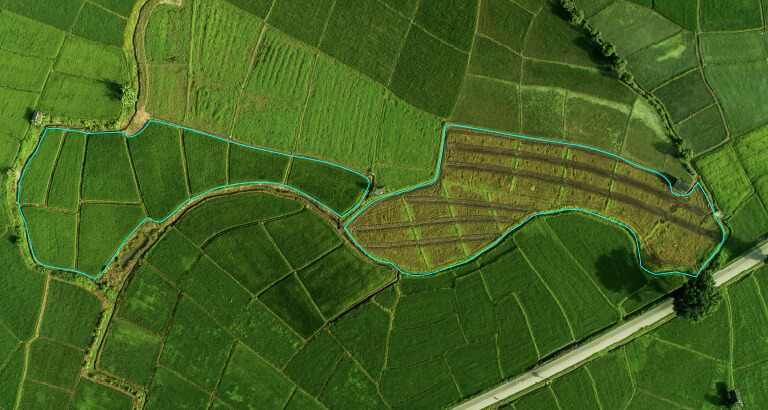
Imagine a buyer acquiring rural farmland, only to later discover that boundary descriptions in public records were inaccurate. Neighbors disputed the exact land size, resulting in legal conflicts. This case demonstrates how clerical errors and boundary misrepresentations contribute to defective titles.
Example 4: Forgery in Urban Housing Transactions
In some urban real estate cases, fraudsters forge property deeds to illegally transfer ownership. Buyers who do not conduct detailed title verifications often fall victim to such schemes, ending up with properties that legally still belong to the rightful owners. This shows the importance of technology-based title verification systems.
Benefits of Using Technology in Resolving Defective Titles
Digital Title Verification
Modern technology allows buyers and lenders to verify property titles through blockchain-based systems or centralized digital registries. These platforms reduce clerical errors, improve transparency, and prevent unauthorized changes in records.
AI-Powered Title Search
Artificial intelligence tools can quickly analyze vast amounts of property records to detect potential issues. By flagging discrepancies, unpaid liens, or unusual ownership transfers, AI minimizes human oversight errors and ensures safer real estate transactions.
Secure Document Storage
Digital document management systems reduce the risk of losing critical ownership records. Cloud-based archives ensure that title records are secure, tamper-proof, and easily accessible for verification.
Practical Use Cases of Defective Title Awareness
Real Estate Investors
Investors often purchase multiple properties. Being aware of defective titles helps them avoid high-risk deals and protect their capital. For example, a real estate investor conducting due diligence will insist on a thorough title search before closing any deal.
Homebuyers
First-time homebuyers may not be aware of the importance of title insurance and verification. Understanding defective titles equips them with the knowledge to demand proper title searches, preventing unexpected financial liabilities.
Financial Institutions
Banks and mortgage lenders rely heavily on clear property titles before approving loans. If a property has a defective title, lenders face increased risk of loan defaults. This makes accurate title verification crucial in maintaining financial stability.
Court Case Involving Title Dispute
In one legal case, a couple purchased land only to later face a lawsuit from another claimant who argued that the deed was fraudulent. The case dragged on for years, preventing the couple from using or selling the property. This underscores how defective titles not only create financial losses but also disrupt personal lives.
Conclusion
A defective title represents more than just a paperwork issue; it can disrupt financial security, legal stability, and investment opportunities. From undisclosed heirs to tax liens, forgery, and record errors, defective titles pose serious risks in real estate. Thankfully, with the advancement of technology, property verification has become more secure, transparent, and reliable.
For buyers, sellers, and investors, understanding defective titles is not just about protecting assets, but also about ensuring smoother real estate transactions and preventing years of potential disputes.
Frequently Asked Questions
1. What does a defective title mean in real estate?
A defective title is when property ownership records have errors, claims, or restrictions that prevent clear and legal transfer of ownership.
2. Can a defective title be corrected?
Yes. Depending on the defect, corrections can be made through legal proceedings, title insurance claims, or by resolving outstanding debts and errors in records.
3. Why is technology important in preventing defective titles?
Technology like AI title searches, blockchain verification, and digital document storage minimizes human error, prevents fraud, and ensures property ownership records are accurate.