HUD Title 1 Lenders Complete Guide, Benefits, and Real-World Examples
HUD Title 1 lenders play a vital role in the housing market by providing government-insured loans designed for property improvements. Unlike conventional mortgages, Title 1 loans are specifically targeted to finance home repairs, renovations, and improvements that make properties more livable, safe, and efficient. These loans are backed by the U.S. Department of Housing and Urban Development (HUD), giving borrowers additional confidence that their financial investment is secure.
Title 1 loans are unique because they can be obtained without requiring equity in the property. This means homeowners with limited or no equity can still access financing for necessary upgrades. The lenders approved under HUD’s program follow specific regulations to ensure compliance, making the process reliable for borrowers and safe for investors.
How HUD Title 1 Lenders Operate
HUD Title 1 lenders provide loans that are insured by the Federal Housing Administration (FHA). This insurance reduces the risk for lenders, which in turn makes it easier for borrowers to qualify. While traditional lenders focus on credit scores and home equity, Title 1 lenders emphasize the purpose of the loan, ensuring that the funds are used for property improvements.
Borrowers can use these loans for a wide range of purposes, including structural repairs, energy efficiency upgrades, accessibility improvements, and modernization projects. The role of HUD Title 1 lenders is not just about lending money; it’s about ensuring that housing stock remains safe, functional, and aligned with community standards.
Key Features of HUD Title 1 Loans
HUD Title 1 loans offer several distinguishing features compared to conventional financing methods. First, they are accessible to homeowners with limited equity. Second, they can be used for both small repairs and large-scale renovations. Third, the government-backed insurance provides lenders with additional confidence, which can lead to more favorable lending terms.
Another significant feature is flexibility. Title 1 loans can be used for various property types, including single-family homes, manufactured homes, and multifamily properties. This versatility ensures that both individuals and property investors can benefit from the program.
Common Uses of HUD Title 1 Loans
Home Repairs and Renovations
Many homeowners turn to Title 1 lenders when they need to repair a roof, replace outdated plumbing, or modernize their kitchen. These improvements not only enhance comfort but also extend the lifespan of the property.
Accessibility and Safety Upgrades
Title 1 loans can also be used to make homes more accessible for seniors or people with disabilities. Installing ramps, modifying bathrooms, or adding safety rails are examples of improvements that directly improve quality of life.
Energy Efficiency Projects
In today’s world, energy efficiency is a priority. Borrowers can use Title 1 loans for insulation, window upgrades, or solar installations, reducing long-term utility costs and promoting sustainability.
Example 1: Manufactured Home Renovation
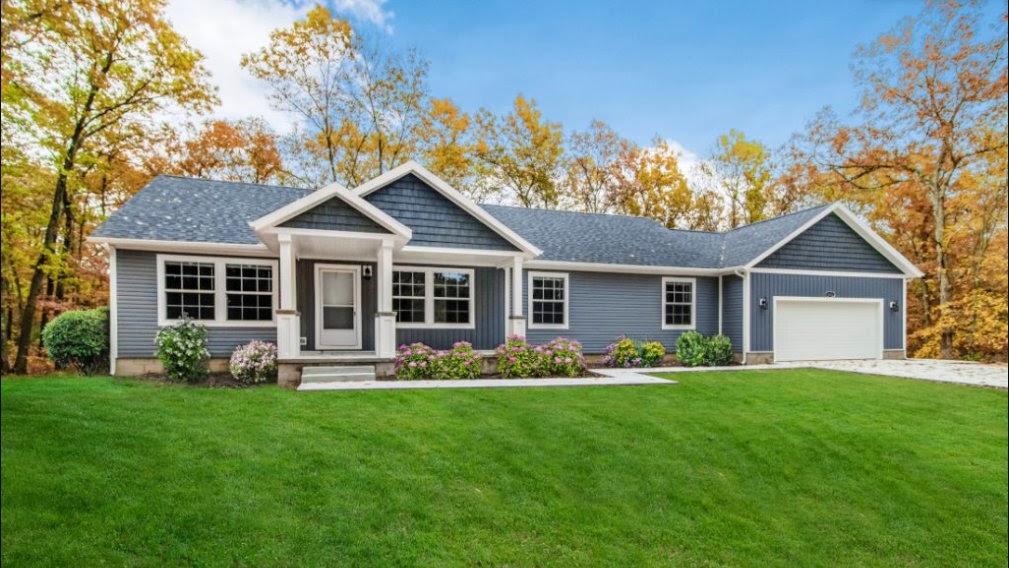
A family living in a manufactured home faced issues with outdated wiring and poor insulation. Traditional financing options were unavailable due to low property equity. By turning to a HUD Title 1 lender, they secured financing to upgrade the electrical system and install modern insulation. The result was a safer, more energy-efficient home without the burden of conventional loan requirements.
Example 2: Urban Apartment Modernization
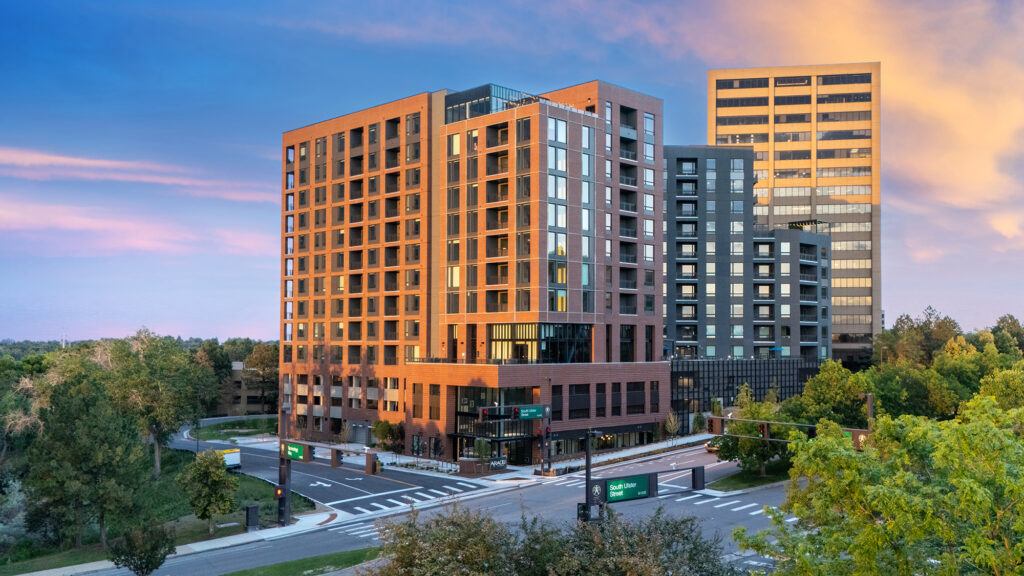
An investor purchased a small apartment building in need of modernization. Instead of seeking commercial financing with strict conditions, the investor used a HUD Title 1 loan to upgrade plumbing, repaint interiors, and improve common areas. The upgrades made the apartments more appealing, increasing rental income and property value.
Example 3: Senior Accessibility Adaptation

A retired couple wanted to adapt their home to support aging in place. Through a HUD Title 1 lender, they financed the installation of stairlifts, widened doorways, and improved bathroom accessibility. These improvements ensured they could continue living comfortably in their home without moving to assisted housing.
Example 4: Energy-Efficient Smart Home
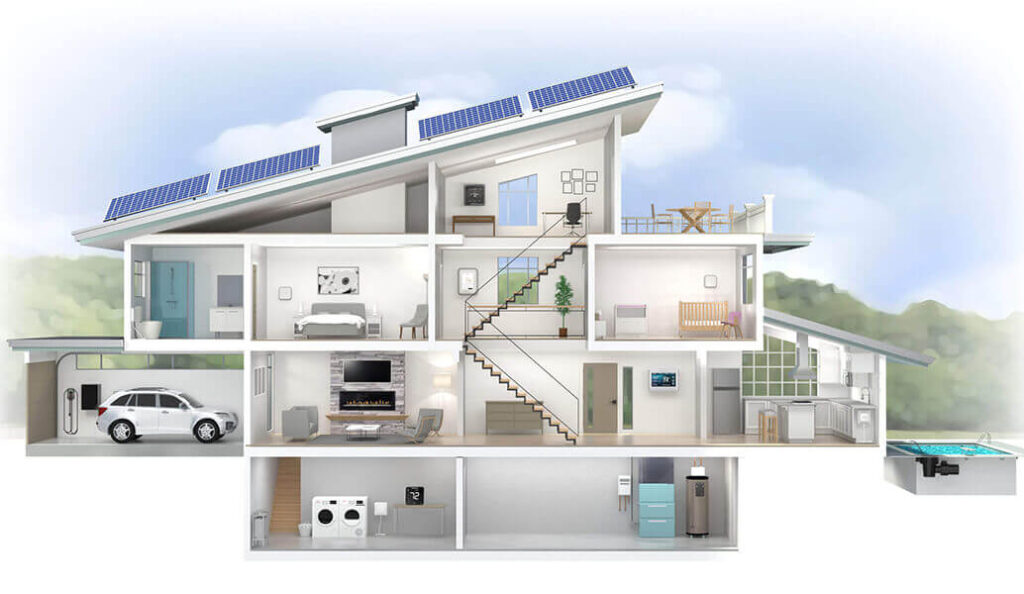
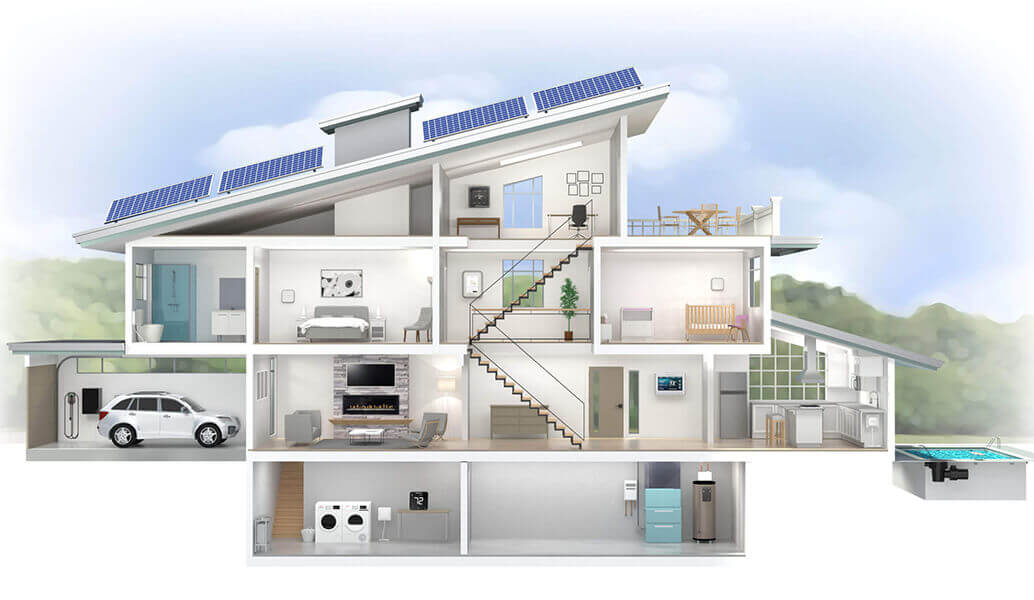
A homeowner in a suburban area used a Title 1 loan to install smart thermostats, energy-efficient windows, and solar panels. These improvements not only reduced monthly utility bills but also contributed to long-term sustainability. The loan program allowed them to invest in advanced technology without waiting years to build home equity.
Benefits of Using Technology in HUD Title 1 Lending
Streamlined Application Process
Technology has significantly improved how HUD Title 1 lenders operate. Online applications, digital document submission, and automated credit checks reduce delays and paperwork. This creates a smoother experience for borrowers, who can now secure financing faster than ever before.
Enhanced Risk Management
Lenders use advanced data analytics and AI to evaluate borrower profiles more accurately. By detecting potential risks early, lenders can make better decisions while maintaining compliance with HUD requirements. This leads to more secure loans and lower default rates.
Digital Monitoring of Loan Usage
Some lenders integrate technology to ensure that loan proceeds are used appropriately. For instance, digital tracking tools can confirm that funds are applied toward property improvements, reducing misuse and ensuring compliance with HUD standards.
Practical Use Cases of HUD Title 1 Lenders
First-Time Homeowners
First-time homeowners often lack the equity to secure traditional renovation loans. HUD Title 1 lenders bridge this gap, giving them access to funds for essential upgrades like roofing or plumbing.
Property Investors
Investors who own multifamily units or rental properties benefit from Title 1 loans when renovating buildings. These loans help them maintain property value, attract tenants, and ensure compliance with safety codes.
Aging Population
As the population ages, there is a growing demand for accessible housing. HUD Title 1 lenders play a role in financing modifications that enable seniors to live independently for longer.
Resolving Community Housing Standards
In one community, several homes had deteriorated to the point where local authorities intervened. Homeowners used HUD Title 1 loans to bring properties up to safety standards. This not only resolved legal disputes but also improved the overall quality of housing in the neighborhood.
Conclusion
HUD Title 1 lenders are crucial in supporting property improvements for individuals, families, and communities. By offering flexible, government-backed financing, they make home renovations and upgrades accessible to a wider population. From manufactured home repairs to energy-efficient projects, Title 1 loans open doors that traditional financing often leaves closed.
With the integration of technology, the lending process has become more transparent, efficient, and secure. For homeowners, investors, and communities, HUD Title 1 lenders are more than just financial institutions—they are partners in improving housing quality, safety, and sustainability.
Frequently Asked Questions
1. What is a HUD Title 1 lender?
A HUD Title 1 lender is a financial institution approved by HUD to provide FHA-insured loans specifically for property improvements, renovations, and repairs.
2. What types of projects can be financed with Title 1 loans?
Title 1 loans can finance home repairs, accessibility upgrades, modernization projects, and energy efficiency improvements. They apply to single-family homes, manufactured homes, and multifamily properties.
3. How does technology improve HUD Title 1 lending?
Technology streamlines applications, enhances risk analysis, and ensures proper use of funds. Online tools, AI, and digital monitoring make the lending process faster, safer, and more transparent.