Loans on House Deeds Complete Guide to Secured Lending and Real-Life Use Cases
Loans on house deeds are financial agreements where a homeowner uses their property deed as collateral to secure a loan. This type of secured lending provides access to funds by leveraging the equity in a home. The concept is similar to a mortgage, but instead of purchasing a new home, the loan is taken against the value of an already-owned property.
The deed serves as legal proof of ownership, and when pledged, it gives the lender a claim against the property in case the borrower defaults. This arrangement is considered less risky for lenders, which is why interest rates are usually lower compared to unsecured loans.
Borrowers often use loans on house deeds to fund major expenses, such as home improvements, debt consolidation, or even medical emergencies. Because the property deed secures the loan, lenders are more willing to provide higher loan amounts and longer repayment terms.
How Loans on House Deeds Work
The process begins when a homeowner applies for a secured loan with their deed. The lender evaluates the property value, checks outstanding mortgages if any, and determines how much equity is available. Equity is calculated as the current market value of the property minus any debts secured against it.
Once approved, the lender registers a legal charge against the property deed, which means they have a right to repossess or sell the property if the borrower fails to repay. The funds are then disbursed, and repayment typically happens through fixed monthly installments.
Unlike personal loans, which rely heavily on credit scores, loans on house deeds place more importance on the property’s value and the borrower’s ability to maintain repayment. This makes it a potential option for individuals with less-than-perfect credit histories.
Benefits of Using Loans on House Deeds
One of the main advantages of loans on house deeds is access to larger sums of money compared to unsecured loans. Because the loan is tied to an asset, lenders feel more secure and extend better terms.
Another benefit is flexibility. Borrowers can use the funds for almost any purpose, whether to renovate a home, cover educational costs, or consolidate high-interest debts. The structured repayment plans also allow borrowers to manage their financial obligations more effectively.
Additionally, interest rates are often lower than credit cards or personal loans, making it an affordable solution for long-term financing needs. The security of the deed also opens opportunities for individuals with moderate credit scores to access financing they might not otherwise qualify for.
Real-World Examples of Loans on House Deeds
Example 1: Home Renovation Financing
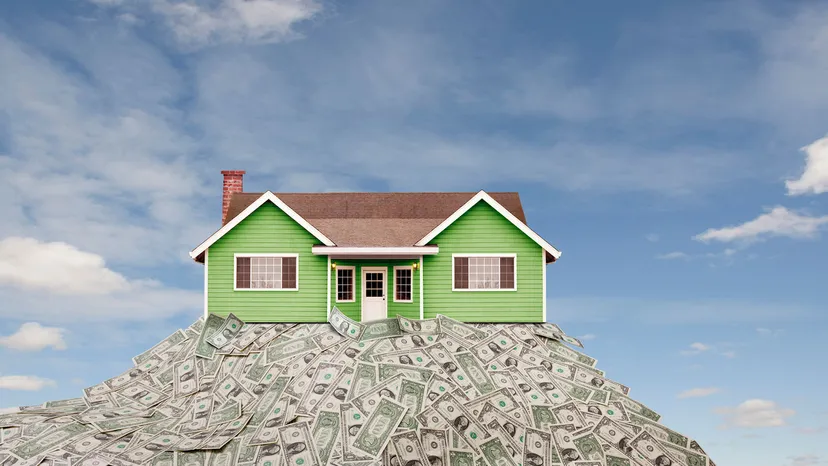
A family owns a property valued at $250,000 with $100,000 remaining on their mortgage. They decide to borrow $50,000 against their deed to renovate their kitchen and bathrooms. Since the deed secures the loan, the lender offers them a lower interest rate compared to unsecured renovation loans.
This arrangement not only adds value to their home but also allows the family to repay over a longer period, making monthly installments manageable. The deed-based loan directly supports their long-term financial and property goals.
Example 2: Debt Consolidation
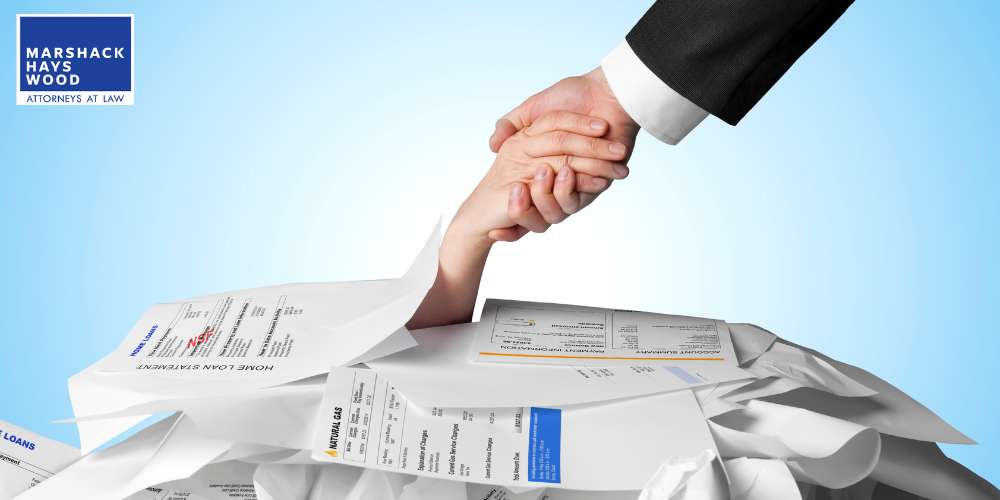
A homeowner with multiple credit card debts totaling $30,000 and interest rates above 20% chooses to take a loan on their house deed. By securing the debt against their property, they obtain a $30,000 loan with a much lower interest rate.
The borrower uses the funds to pay off all high-interest debts, leaving only one structured loan with predictable payments. This not only reduces stress but also saves thousands of dollars in interest over the repayment term.
Example 3: Medical Emergency Coverage
An individual faces an unexpected medical emergency requiring immediate treatment costing $40,000. Their health insurance covers part of the expense but leaves a significant gap. By leveraging the equity in their home, they secure a loan on their deed.
The process is faster compared to many other financing options because lenders are willing to move quickly when collateral is offered. The secured loan ensures the individual gets timely medical care without relying on high-interest credit alternatives.
Example 4: Educational Funding

Parents seeking to fund their child’s overseas university tuition may face limited options if they do not want to disrupt their savings or retirement funds. By securing a loan on their house deed, they access $60,000 at a favorable interest rate.
This solution allows them to manage the tuition expenses gradually, while the property deed serves as security. In this way, their child’s education is funded without jeopardizing other long-term financial plans.
Example 5: Business Expansion

A small business owner needs capital to expand operations but struggles to get an unsecured business loan due to credit history. By using their house deed as collateral, they successfully secure $100,000 in funding.
The funds are invested into new equipment and marketing, boosting the company’s revenue. This case demonstrates how house deed loans can serve purposes beyond personal finance, helping entrepreneurs pursue growth opportunities.
Practical Use Cases and Problem-Solving Benefits
Loans on house deeds are particularly useful in scenarios where large sums are needed quickly. They provide solutions for:
-
Managing High-Interest Debt: Replacing multiple debts with a single lower-interest secured loan reduces financial strain.
-
Emergency Expenses: From medical bills to urgent home repairs, secured loans provide faster approval.
-
Investment in Property Value: Renovating or upgrading a home using secured funds can increase property value significantly.
-
Business Capital: For entrepreneurs, deed loans open up a pathway to funding otherwise difficult to obtain.
The reliability and structured repayment of these loans make them a practical choice for homeowners looking to unlock financial flexibility.
Risks and Considerations
While loans on house deeds offer many advantages, it is important to understand the risks. The primary risk is the potential loss of the property if repayments are not maintained. Borrowers should carefully evaluate their financial capacity before entering such agreements.
Additionally, since the property is tied to the loan, the borrower’s long-term housing stability could be compromised in cases of default. This makes it crucial to budget wisely and plan repayments thoroughly.
Frequently Asked Questions
1. What is the difference between a mortgage and a loan on a house deed?
A mortgage is used primarily to buy a home, whereas a loan on a house deed leverages equity in an already-owned property to secure funds. Both involve using property as collateral, but their purposes differ.
2. Can I take a loan on my house deed if I already have a mortgage?
Yes, as long as you have sufficient equity in your property. The lender will consider the outstanding mortgage amount when determining eligibility and loan size.
3. Are loans on house deeds a good option for people with bad credit?
Yes, they can be. Since the loan is secured by property, lenders are more willing to extend credit to individuals with imperfect credit histories, though repayment ability remains a key factor.