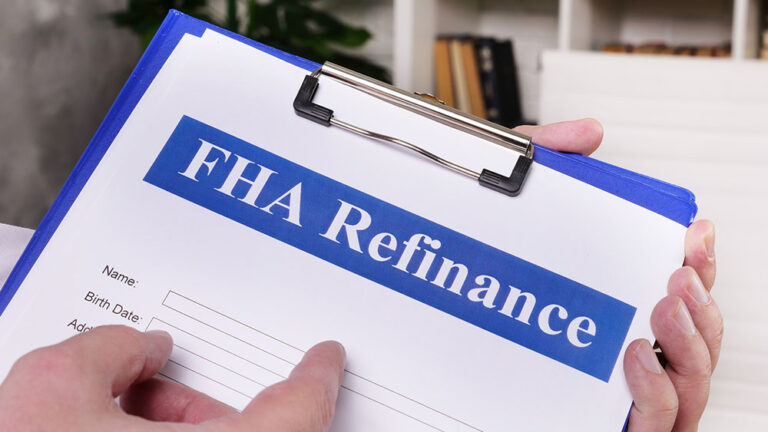
Refinance Inspection Guide Process, Benefits, Real-World Examples, and FAQs
When homeowners consider refinancing their mortgage, one essential step that often comes into play is the refinance inspection. This process involves a professional evaluation of the property’s condition to ensure it meets lending requirements and provides an accurate picture of its current state.
While not always mandatory for every refinance type, inspections can uncover potential risks, structural issues, or property conditions that might influence the approval of the loan. For lenders, the inspection helps mitigate risks, while for homeowners, it offers reassurance about the property’s safety and long-term value.
A refinance inspection is distinct from a standard appraisal. While an appraisal focuses mainly on determining the property’s market value, an inspection dives deeper into the actual condition of the property, identifying repairs or upgrades that may be needed.
Why Refinance Inspections Are Important
A refinance inspection provides transparency and accountability during the refinancing process. By identifying property conditions, lenders and borrowers both gain confidence in the loan arrangement. For example, if the inspection reveals a major foundation issue, the lender may adjust terms or request repairs.
For homeowners, inspections can also highlight preventative maintenance needs that could save money in the future. Rather than discovering an issue years later, the refinance inspection brings these matters to light early, ensuring better long-term planning.
Key Benefits of Refinance Inspection
Protecting Homeowners from Future Costs
One of the greatest benefits of a refinance inspection is the early detection of problems. For instance, identifying a leaking roof before refinancing ensures the homeowner can take steps to repair it before it leads to costly damage later.
By highlighting these risks, the inspection process prevents homeowners from being blindsided by unexpected expenses after committing to a new mortgage term.
Enhancing Loan Security for Lenders
For lenders, inspections serve as an added safeguard. Knowing that the property is in sound condition reduces the risk of default due to unforeseen property issues. This assurance often translates into smoother approvals and sometimes even better terms for borrowers.
Real-World Examples of Refinance Inspection in Action
Example 1: Aging Home with Electrical Concerns

A couple refinancing their 30-year-old home discovered during inspection that the electrical system was outdated and unsafe by modern standards. The refinance inspection allowed them to address the issue promptly, ensuring safety and helping secure favorable refinancing terms.
This case shows how inspections can protect homeowners from hidden risks while also satisfying lender requirements.
Example 2: Veteran Refinancing Through VA Loan

A retired veteran applied for refinancing through a VA-backed program. Although appraisals were required, the refinance inspection revealed plumbing issues that weren’t apparent in daily use. Resolving these problems not only ensured loan approval but also prevented larger financial burdens later.
The inspection became a turning point, allowing the borrower to refinance smoothly and enjoy a more secure living environment.
Example 3: Family Home in Storm-Prone Area

In coastal regions, storms frequently cause hidden property damage. A family refinancing their home underwent a refinance inspection that identified roof weaknesses. By addressing these before refinancing, the family secured their loan and avoided potential claims denial from insurers later.
This case emphasizes the role of inspections in safeguarding both property and financial stability in regions with environmental risks.
Example 4: Rental Property Owner Refinancing Portfolio

An investor managing several rental homes pursued refinancing for better rates. The refinance inspection highlighted HVAC inefficiencies across multiple properties. Although this required upfront investment, the long-term energy savings justified the expense and improved property value.
For investors, inspections not only enable refinancing approval but also ensure properties remain competitive in the rental market.
The Role of Technology in Refinance Inspection
Modern technology has transformed how refinance inspections are conducted. Today, inspectors use digital tools, drones, and high-resolution imaging to assess property conditions more accurately. For example, drones can evaluate roof conditions without requiring dangerous climbs.
Digital reporting platforms also streamline the process. Instead of waiting weeks for a paper-based report, homeowners and lenders receive real-time updates with detailed images and data. This enhances transparency, reduces delays, and improves overall efficiency.
Technology further reduces subjectivity in inspections. With data-driven analysis, reports are standardized and more reliable, which builds trust between lenders and borrowers.
Practical Advantages in Everyday Life
Refinance inspections aren’t just about securing a loan; they bring tangible benefits to daily life. By identifying maintenance needs early, homeowners enjoy safer, more efficient living spaces. For instance, replacing an old furnace identified during inspection can improve comfort while lowering utility bills.
Inspections also provide peace of mind. Knowing that a property is structurally sound and free of hidden issues gives homeowners confidence as they commit to new loan terms. This psychological benefit is often as valuable as the financial security it provides.
Use Cases and Problems Solved
Addressing Hidden Safety Issues
A refinance inspection can reveal unsafe wiring, mold, or structural problems that aren’t obvious to homeowners. Resolving these ensures both safety and refinancing approval.
Supporting Lenders with Accurate Risk Assessment
Lenders use inspection results to evaluate property conditions objectively. This ensures they’re not overextending credit on properties with hidden defects.
Helping Investors Maintain Value
For real estate investors, refinance inspections provide a clear roadmap of maintenance priorities. By resolving issues, they keep properties attractive for tenants and sustain long-term portfolio value.
Preparing Homes for Long-Term Ownership
For families planning to stay in their homes for decades, inspections help anticipate future needs. Replacing old systems during refinancing avoids larger problems down the line.
Frequently Asked Questions
1. Is a refinance inspection always required?
Not always. Requirements depend on the type of refinancing and the lender’s policies. However, inspections are often encouraged to protect both borrower and lender interests.
2. How does a refinance inspection differ from an appraisal?
An appraisal focuses on property value, while an inspection evaluates the property’s physical condition, identifying repairs or maintenance needs.
3. Can a refinance inspection delay loan approval?
It can add time if major issues are found, but in most cases, inspections streamline the process by addressing risks early, preventing problems later.