Selling Home Solicitor Complete Guide to Legal Support When Selling Your Property
When selling a property, the legal process can be just as critical as the negotiations with buyers. A selling home solicitor is the professional who manages all the legal aspects, ensuring the sale goes smoothly. From preparing contracts to handling ownership transfers, they play a central role in protecting sellers from potential risks and disputes.
Without proper legal representation, sellers may overlook important details, such as outstanding mortgage issues, property disputes, or boundary disagreements. These problems could delay the sale or even cause it to collapse. Having a solicitor ensures compliance with legal requirements while safeguarding the seller’s financial interests.
Why a Solicitor Is Essential When Selling Your Home
A property transaction involves numerous legal documents and obligations. A solicitor takes responsibility for ensuring that all paperwork is correct, deadlines are met, and every part of the sale complies with the law. They act as both a guide and a shield for the seller.
In practice, this means a solicitor will handle contract preparation, verify property titles, deal with buyer inquiries, and ensure that mortgage redemption is carried out correctly. They also confirm that funds are securely transferred, protecting the seller from fraud or payment delays.

The Legal Process of Selling a Home
The selling home solicitor’s tasks follow a structured process designed to minimize errors and maximize efficiency.
Contract Preparation and Drafting
The solicitor drafts the sale contract, which includes all the essential details such as property boundaries, fixtures and fittings, and completion dates. This document forms the legal backbone of the transaction, and errors here can create significant problems later.
They also ensure that the seller complies with disclosure requirements, such as reporting disputes, renovations, or planning permissions. Failure to disclose such information could lead to legal claims after the sale.
Dealing With Buyer Enquiries
Once the buyer’s solicitor reviews the contract, they often raise inquiries regarding the property’s history, boundaries, or utilities. The selling home solicitor responds on behalf of the seller, ensuring that all questions are answered with accuracy and legality. This stage helps reassure the buyer and reduces the risk of last-minute withdrawal.
Benefits of Using Technology in Home Selling Solicitors
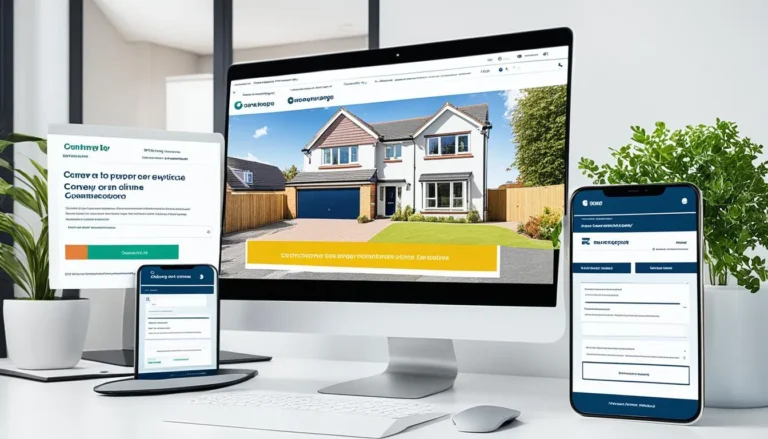
Modern solicitors often incorporate technology to streamline the conveyancing process. Online portals, digital signatures, and automated document management systems have transformed how legal transactions are handled.
For sellers, this means faster communication, fewer errors, and increased transparency. Instead of waiting days for postal updates, sellers can log into secure portals to track the progress of their case, upload documents, and receive updates in real time.
Technology also strengthens security by encrypting sensitive data, reducing the risk of fraud, and ensuring compliance with legal data protection standards.
Real-World Examples of Solicitors in Action
Example 1: Traditional Law Firm With Digital Tools

Some established law firms now combine traditional expertise with modern technology. For instance, a solicitor may still offer in-person consultations while using digital document signing and online case tracking. This combination gives clients both reassurance and efficiency.
Example 2: Fully Online Solicitor Services

Some firms operate entirely online, providing convenience for clients who prefer digital communication. These platforms offer video consultations, secure chat systems, and cloud-based contract management. Such services are especially useful for busy professionals selling property from afar.
Example 3: Hybrid Conveyancing Services

In some cases, solicitors offer hybrid services where clients can choose between in-person and online processes. This flexibility is valuable for sellers who want personal support during critical stages but also prefer digital tools for speed and efficiency.
Each of these models demonstrates how solicitors adapt to meet different seller needs, ensuring both compliance and convenience.
Practical Benefits of Hiring a Selling Home Solicitor
One of the most significant benefits is peace of mind. Sellers can trust that their solicitor will catch legal pitfalls and ensure a fair and lawful transaction. Beyond peace of mind, solicitors save time, reduce risk, and handle complex negotiations on behalf of the seller.
Another practical benefit is problem-solving. For example, if a property has legal restrictions, disputes, or unresolved planning permissions, the solicitor can work with the buyer’s solicitor to find acceptable solutions. This ability to resolve problems early ensures the sale stays on track.
Use Cases of Selling Home Solicitors
Avoiding Property Boundary Disputes
A solicitor ensures that property lines and rights of way are clear in the contract. This prevents disputes with the buyer after the sale, which could otherwise lead to expensive litigation.
Managing Mortgage Redemption
If the seller still has an outstanding mortgage, the solicitor handles the redemption process, ensuring the mortgage is paid off correctly from the sale proceeds. This avoids future financial complications.
Handling Leasehold Sales
Selling leasehold properties can be more complex than freehold sales. A solicitor manages communication with freeholders, service charge documentation, and lease extensions, protecting the seller from breaches of contract.
These use cases illustrate how solicitors actively prevent problems and smooth out complex aspects of property sales.
Frequently Asked Questions
1. Do I legally need a solicitor to sell my home?
While it is not a strict legal requirement in some regions, having a solicitor is strongly recommended. The legal process is complex, and professional oversight minimizes risks and ensures compliance with regulations.
2. How long does the solicitor process take when selling a home?
The timeframe varies, but most transactions take between 8 and 12 weeks. Factors such as mortgage clearance, buyer inquiries, and property type (freehold vs. leasehold) can affect the duration.
3. Can I use an online solicitor to sell my home?
Yes, many solicitors now offer online services. These are efficient and convenient, particularly for sellers who prefer digital communication or live far from their property. They offer the same legal protections as traditional solicitors.